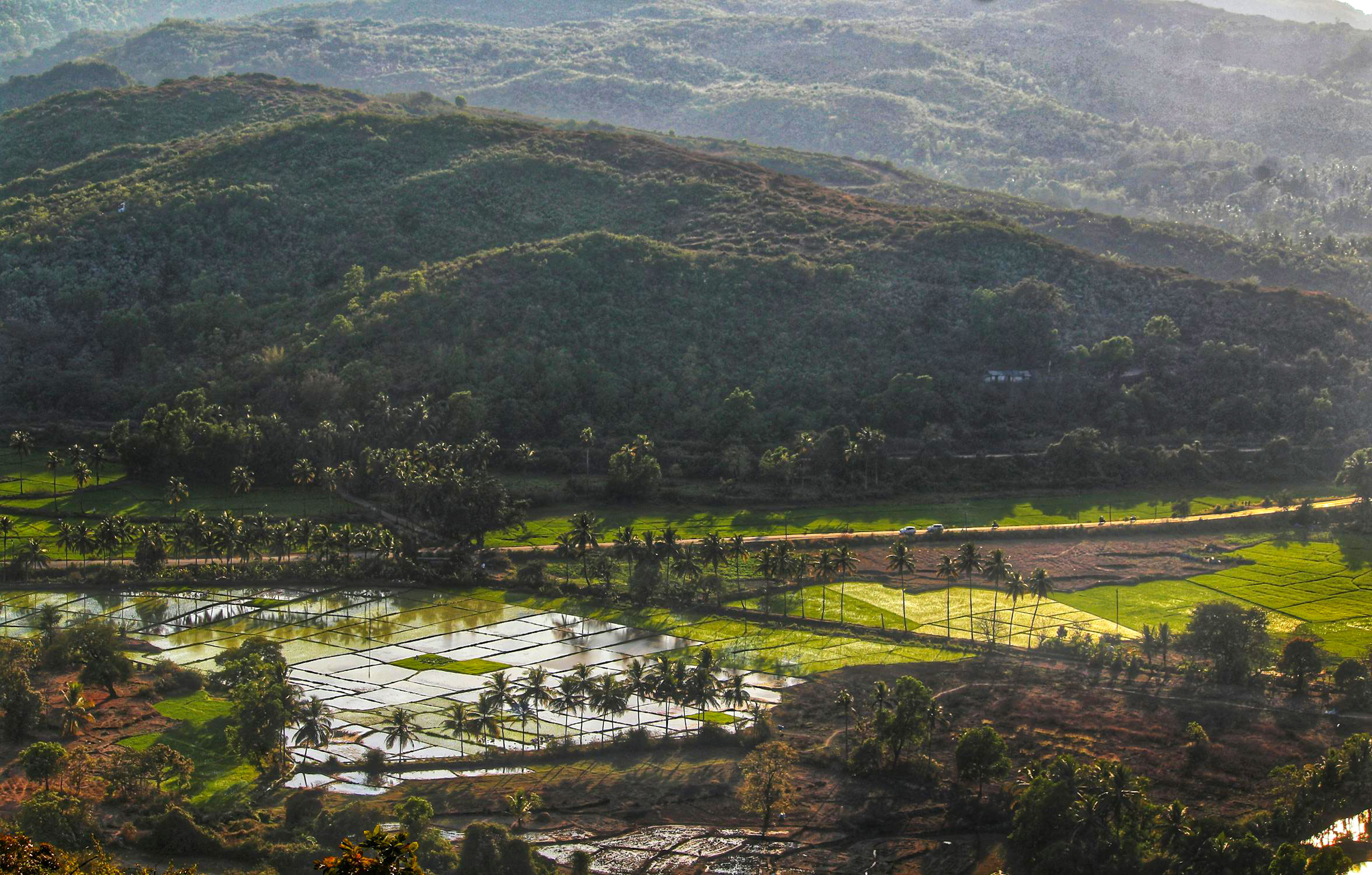
Swapping city traffic for paddy-field vistas in Dabolim, Colva, Carmona or Margao is an attractive prospect for many Indians living abroad. The good news is that NRI buying property in Goa is perfectly legal—and, with careful paperwork, straightforward. Below is a concise guide answering the perennial question, “Can foreigners buy property in Goa?” and outlining the key Goa property registration rules you must follow.
1. Who May Purchase?
| Buyer Category | What the Law Says |
| NRI (Indian passport, abroad > 183 days) | May freely buy residential or commercial property; agricultural or plantation land is prohibited. |
| OCI card-holder | Enjoys the same rights as an NRI. |
| Foreign national of non-Indian origin | May purchase only if resident in India for ≥ 182 days in the preceding financial year or with prior RBI approval. |
Tip: If you hold foreign citizenship but trace Indian ancestry, applying for OCI status first simplifies the purchase.
2. Seven-Point Legal Checklist
- PAN & KYC – A valid Permanent Account Number and updated passport / visa copies.
- Title Search – Obtain a 30-year encumbrance certificate and inspect mutation (Form I & XIV) for clear ownership.
- Conversion Sanad – If the plot was once agricultural, insist on the official sanad permitting residential use.
- RERA Registration – Under-construction projects must carry a Goa-RERA number; verify it online.
- Village Panchayat NOC – Mandatory for villas or apartments in Carmona and other coastal panchayats.
- Agreement for Sale – Drafted on ₹100 stamp paper, noting payment milestones and penalty clauses.
- Due Diligence Report – Commission an advocate to confirm all approvals (CRZ, airport height clearance near Dabolim, etc.) before you sign.
3. Cost Breakdown (South Goa)
| Expense | Typical Rate* |
| Stamp Duty | 3 % (value ≤ ₹50 lakh) • 4 % (₹50 lakh – ₹75 lakh) • 5 % (> ₹75 lakh) |
| Registration Fee | 1 % of declared value (capped at ₹50,000 on high-value deals) |
| GST (under construction) | 5 % without input credit |
| Legal & Vetting | ₹50k–₹1 lakh, depending on complexity |
| TDS (if seller is NRI) | 1 % on consideration up to ₹50 lakh; 20 % otherwise |
*Goa state rates, 2025 Budget.
4. Understanding Goa Property Registration Rules
All sale deeds are executed at the sub-registrar’s office in the taluka where the land sits (Mormugao for Dabolim, Salcete for Colva, Carmona and Margao). You will need:
- Biometric attendance of buyer and seller
- Two local witnesses with Aadhaar
- Demand-drafts covering stamp duty and registration fee
- Index-II extract (issued within 48 hours) to update land records
Keep digital scans of every page; they are essential when remitting funds from NRE or FCNR accounts.
5. How Kayji Real Estate Simplifies the Process
- Area Expertise – Decades navigating micro-markets in Dabolim, Colva, Carmona and Margao.
- Legal Concierge – In-house advocates handle title checks, conversion sanads and coastal-zone clearances.
- Transparent Costing – Up-front schedules for stamp duty, GST and society formation—no hidden extras.
- After-Sale Liaison – We transfer utilities, secure mutation entries and hand you the keys, ready for that first sunset over the fields.
Ready to Own Your Slice of Goa?
With the right paperwork and a trusted advisor, purchasing a villa or apartment bathed in emerald-green views is entirely achievable. Contact Kayji Real Estate for a bespoke dossier on eligible listings and glide through every legal step with confidence—straight to your new home beneath the Goan sun.
