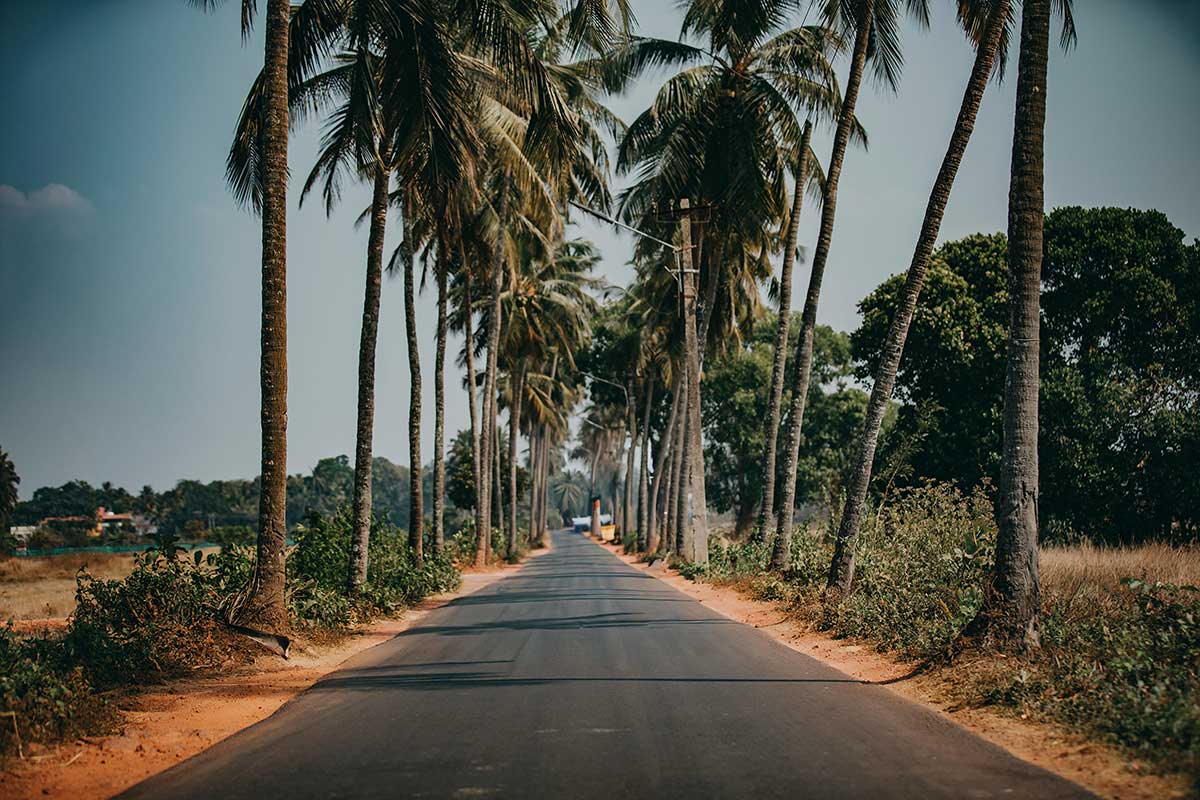
Moving to Goa from a bustling metro is an exciting prospect, offering a chance to swap the frenetic city grind for a more laid-back, healthier lifestyle. In 2026, relocating to Goa has become increasingly popular among professionals and families from Mumbai, Bengaluru, Delhi, and Pune who seek a better work-life balance. Goa’s unique mix of sandy beaches, lush greenery, and a welcoming community provides the perfect backdrop for a slower pace of life. This comprehensive guide will walk you through what to expect – from lifestyle and costs to safety and community – with a spotlight on South Goa’s most appealing neighbourhoods and modern housing options like the Kayji Real Estate developments. Let’s dive into your practical roadmap for living in South Goa in 2026.
The Appeal of Goa: A Slower, Healthier Lifestyle
Goa has long been synonymous with the concept of “susegad”, meaning a contented, unhurried way of life. Unlike the high-pressure rhythm of big cities, Goa’s culture values peace, leisure and balance[1]. Many urban professionals find themselves drawn to this ethos – imagine starting your day with a stroll on the beach or a yoga session in your garden, rather than a cramped commute. The environment itself encourages a healthier lifestyle: the air is cleaner, the climate is tropical, and fresh local produce is abundant. In fact, Goa’s environmental conditions are markedly better than those of polluted metros like Delhi or Mumbai[2], which means you’ll breathe easier and stress less. Overall, Goa offers a work-life balance that’s hard to come by elsewhere – you can be productive remotely (thanks to good internet connectivity) and still catch the sunset with your family or friends every evening. For many, this “Goa lifestyle” – slow mornings, siestas, and seaside evenings – is the ultimate antidote to burnout.
North vs South Goa: Choosing Your Pace
One of the first decisions when relocating is where in Goa to live. Broadly, Goa offers two distinct vibes: the lively buzz of the north and the serene calm of the south. North Goa is known for its vibrant nightlife, beach parties, trendy cafés and tourist hubs. If you crave an energetic social scene and lots of entertainment, the north – in areas like Candolim, Anjuna or Siolim – might appeal. By contrast, South Goa is a paradise for anyone looking to live a peaceful, quiet life away from the noise, surrounded by lush green fields and tranquil beaches[3][4]. South Goa’s vibe is all about slower living: uncrowded beaches, quaint villages, and a strong sense of community. While North Goa’s property scene thrives on luxury condos and holiday rentals (with high prices to match), South Goa features more spacious homes, gated communities and villas designed for privacy, nature, and a laid-back lifestyle[5]. Both regions have their charm, but if you’re relocating for a calmer daily life, South Goa is often the top choice. It’s ideal for families, retirees, or remote workers who want a serene environment rather than Goa’s party circuit.
Living in South Goa: Community, Nature and Serenity
Why choose South Goa? Simply put, it offers a lifestyle that feels like a permanent vacation, without sacrificing everyday conveniences. You’ll find yourself part of friendly neighbourhoods where locals and settlers from across India (and abroad) mingle. Community living is a big part of South Goa’s appeal – from chatty morning markets in Margao to evening walks on quiet village roads, there’s a warmth and inclusiveness that makes newcomers feel at home. Nature is ever-present here; many residential areas have lush paddy fields, coconut groves or forested hills as their backdrop, giving you scenic views and cleaner air. For instance, Colva in South Goa is celebrated for its sun-kissed shores, but venture a bit inland and you’ll experience a blissful rural calm – gentle sea breezes, rustling rice fields, and starry nights. One new development in Colva, Vitaura, intentionally shifts focus slightly away from the busy beachfront to embrace this slower inland pace, yet keeps you just minutes from Colva Beach, local shops and schools[6]. The result is that residents can trade crowded tourist strips for tranquil village life without losing access to essential amenities. Whether it’s weekend beach picnics, impromptu neighbourhood barbecues, or kids cycling under banyan trees, living in South Goa means enjoying life’s simple pleasures as part of a close-knit community.
A tranquil morning at Colva Beach in South Goa. Life here moves at a relaxed pace, centred around nature and community.
Importantly, South Goa’s laid-back lifestyle doesn’t mean isolation or boredom – there’s a rich cultural scene and plenty to do, just at a gentler pace. The region is dotted with heritage Portuguese-era churches and temples, beach shacks serving delicious Goan cuisine, and wellness retreats (yoga, Ayurveda spas, etc.) tucked in serene corners. Festivals in Goa are celebrated with enthusiasm, be it Carnival float parades or village feasts, and newcomers are always welcome to join in. Safety and community spirit go hand-in-hand here. Goa in general is considered one of the safer states in India for residents; the crime rate is comparatively low, and the police are vigilant, especially in maintaining tourist areas[7]. In South Goa’s residential localities, this translates to a reassuring sense of security – you’ll often see women taking evening walks and children playing outdoors freely. Many housing complexes and villa communities also have their own security and neighbourhood watch, adding an extra layer of comfort. Overall, South Goa offers the kind of peace of mind and neighbourly trust that can be hard to find in big cities.
Cost of Living and Real Estate in Goa
When planning your move, understanding the cost of living in Goa is crucial. The good news is that Goa is more affordable than Mumbai or Delhi on most counts, and broadly on par with cities like Pune or Bangalore[8]. Day-to-day expenses such as groceries, utilities, and local transport tend to be reasonable. For example, monthly household utilities might range around ₹2,500–4,000, and fresh produce at local markets is inexpensive compared to metro supermarkets[9][10]. Eating out is also affordable – a simple seafood thali or a plate of Goan prawn curry and rice at a beach shack won’t break the bank. If you enjoy a good work-life balance, you’ll find that leisure activities (like a morning cappuccino at a café for ₹130, or a fitness club membership for ₹2,000/month) are quite accessible[11].
Housing costs in Goa, particularly South Goa, are attractive for those relocating from high-priced metros. Renting a 2BHK apartment in Margao or surrounding areas might start from around ₹20,000–₹30,000 per month, depending on the location and amenities – significantly less than an equivalent space in Mumbai’s suburbs. Buying property is also relatively affordable: South Goa’s real estate prices are generally lower than North Goa’s. In fact, one real estate insight notes that South Goa “costs way less, making it appealing to those on a budget who still want a luxury, eco-conscious life”[12]. This means you can often get a larger plot or a villa in South Goa for the price of a cramped flat in a metro. The flip side is that property appreciation in South Goa may be a bit slower than the boom in tourist-heavy north, but it’s steady – ideal if you’re in it for the long haul rather than a quick flip[13].
For those looking to invest in homes in Margao or buy villas in Colva/Carmona, working with reputable developers is key. Goa’s property market has both decades-old Portuguese villas and brand-new gated communities, so you have choices to fit your lifestyle. Always ensure the property is RERA-registered (Goa has a RERA portal for verification) and that you have a clear title. Partnering with an experienced local firm – like Kayji Real Estate, known for its decades of work in South Goa – can simplify this process.
South Goa’s Popular Residential Neighbourhoods
If you’re wondering where exactly to settle in South Goa, here’s an overview of three sought-after locales, each offering a distinct vibe and lifestyle:
Margao: City Convenience Meets Goan Charm
Margao (Madgaon) is the commercial and cultural hub of South Goa. It’s the second-largest city in Goa, yet it moves at a far more leisurely pace than any metro. Life in Margao offers a blend of city convenience and traditional charm: think bustling municipal markets by day and quiet, lamp-lit streets by night. In Margao, you’ll find everything you need for comfortable daily living – top schools (such as Loyola High School and Manovikas), well-equipped hospitals (the famed Apollo Victor Hospital and others), supermarkets, and banks – all within a few kilometres. Connectivity is excellent: Margao is home to Goa’s main railway station (Madgaon Junction), and the highway network puts it about 30 minutes from the international airport in Dabolim. Indeed, one of Margao’s advantages is that it’s minutes away from transport hubs, schools, hospitals, and even beaches like Colva and Benaulim[14], making it a strategic choice for families and working professionals alike.
As a place to live, Margao has a laid-back “neighbourhood vibe” despite its city status. You can spend Saturday mornings wandering the covered MMC market for fresh fish and local vegetables, or enjoy an evening coffee at a heritage café along the municipal garden. The architecture here is a mix of colonial-era buildings and modern structures – showcasing Goa’s blend of old and new. Residential options range from independent family homes in localities like Aquem and Fatorda, to modern apartments in newly developed complexes. A shining example of the latter is Kayji Palladium in Margao, a premium project that offers sky villas and spacious 2BHK homes. Located on Margao’s eastern bypass, Kayji Palladium seamlessly combines city convenience with luxury living. The project comprises three towers and even has commercial spaces on lower floors, but what really stands out are its amenities: a stylish rooftop infinity swimming pool, a clubhouse, gym, and landscaped terraces – all designed to let residents relax with panoramic views of Margao city on one side and the Goan countryside on the other[15]. These “sky villas” give you the privacy and space of a villa with the security and ease of apartment living – truly “where sophistication meets serenity,” as Kayji Real Estate puts it. Margao is an excellent choice if you want an urban base that still captures Goa’s susegad spirit.
Colva: Coastal Living by the Paddy Fields
Colva is one of South Goa’s most famous beach villages – a long stretch of white sand lined with swaying palm trees and vibrant beach huts. But beyond the popular Colva Beach, the village itself offers a wonderful residential ambience. Living in Colva means you can have morning beach walks as part of your routine, enjoy fresh catch from the sea for lunch, and witness stunning sunsets every day. At the same time, you’re nestled in a semi-rural setting with emerald green paddy fields and quaint village lanes just a short distance inland. This unique combination of beachside fun and rustic tranquillity is Colva’s hallmark. In fact, developments here are capitalising on exactly that blend: one such upcoming community, Kayji Vitaura in Colva, is strategically positioned to give homeowners uninterrupted panoramas of rice fields and open skies while keeping them “just minutes from Colva beach, local amenities and South Goa’s key towns”[16]. The paddy-field views at Vitaura change with the seasons – golden in summer, lush green in monsoon – providing an ever-changing, serene backdrop to daily life[17].
The neighbourhood vibe in Colva is friendly and relaxed. It’s a place where you’ll see villagers and expats catching up at the bakery, kids playing football on the beach in the evenings, and tourists cycling by with surfboards. Essential infrastructure is nearby: within a 5-10 km radius you have good schools (locations like Benaulim and Margao host reputable institutions accessible from Colva), grocery stores, pharmacies, and even leisure options like beachside yoga classes. Colva draws a mix of residents – from local Goan families to artists, writers, and remote-working professionals from across India who seek inspiration by the sea. Housing here includes everything from charming Portuguese-style bungalows to newer apartments and villas. Vitaura, Colva (by Kayji Real Estate) is a high-end example, featuring luxurious 3BHK and 4BHK villas near the fields. These modern villas come with world-class amenities such as private gardens and pools, a clubhouse and 24/7 security, ensuring that even while you embrace nature, you don’t compromise on comfort. You’ll have the best of both worlds in Colva: a holiday ambience coupled with a practical, livable community. Weekends truly begin right outside your door when you live here – whether you choose a lazy beach picnic or a home barbecue with the backdrop of Colva’s starry skies.
Carmona: Green Serenity in a Gated Community
If your dream is to live amidst greenery, away from all hustle, yet not too remote, Carmona might just steal your heart. Carmona is a sleepy coastal village located between the Sal River and the Arabian Sea, not far from the popular Cavelossim and Varca beach stretch. It is an area known for its lush scenery – rice paddies, coconut groves, and quiet village roads where the loudest sound is often birdsong or the wind through the palms. The beaches near Carmona (such as Fatrade Beach or Zalor Beach) are some of the most pristine and uncrowded in Goa, offering a peaceful retreat for evening walks or fishing. The vibe here is purely susegad: days move slowly, and the community is tight-knit and predominantly local, with a growing number of second-home owners who spend holidays or winters here for the tranquillity.
Modern row villas in a gated community (Kayji’s Cote D’Azur, Carmona) offer serene living amid Goa’s greenery.
Carmona has attracted quality real estate development geared towards those seeking peaceful luxury. Notably, Cote D’Azur in Carmona is a flagship gated villa community by Kayji Real Estate that has put this village on the map for upscale living. Cote D’Azur consists of 36 luxurious homes (a mix of 24 row villas and 12 semi-detached bungalows) thoughtfully designed for comfort and aesthetics[18]. Living here means you wake up to fresh air and sunlight streaming through the trees, and you can enjoy spectacular Arabian Sea sunsets from the community’s vantage points in the evenings[19]. The complex is self-contained with a swimming pool, clubhouse, gym and even a children’s park, so it truly caters to families and those who prioritize leisure at home[20][21]. What’s remarkable is that despite its tucked-away feel, Carmona isn’t in the middle of nowhere – you’re only a couple of kilometers from daily necessities in the nearby town of Chinchinim or the coastal market at Varca[22]. This makes Carmona ideal for second-home buyers and retirees: you get the ambiance of a far-flung retreat with the reassurance that shops and services are a short drive away. Safety here is naturally strong, given the close community; plus, gated projects like Cote D’Azur have professional security, allowing you to lock up and leave for months without worry. Carmona offers a slice of the old-world Goan countryside, enhanced by modern comforts – perfect if you’re aiming for “vacation mode” as your everyday life.
Connectivity, Infrastructure and Culture
Relocating to Goa, especially South Goa, means adapting to a different pace – but it doesn’t mean losing out on infrastructure or connectivity. Transportation in Goa has improved vastly by 2026. South Goa is serviced by the Dabolim Airport (around 25-40 km from most South Goa locales like Margao or Colva), and the new Mopa Airport in North Goa provides additional flight options (though it’s a 1.5-2 hour drive from Margao). The Indian Railways connect Margao to major cities (Mumbai, Bangalore, Delhi, etc.), which is convenient if you prefer train travel. Within Goa, the roads are in good condition; the main National Highway 66 runs through both North and South, and the internal network of roads means you can drive from Margao to Panjim (North Goa’s capital) in roughly an hour. Most residents rely on personal vehicles – owning a car or a scooter is almost essential given the limited public transport. However, app-based taxis and bike-taxis (pilots) are available for those times you’d rather not drive.
In terms of infrastructure, South Goa has everything you need for day-to-day life. Healthcare facilities include not just government hospitals but also private multi-specialty hospitals (for example, Victor Hospital in Margao or hospitals in Vasco and Panjim a short distance away) and numerous clinics. Pharmacies are widespread, and for any specialist care that might not be locally available, Mumbai’s world-class hospitals are a short flight away. Education is well catered to: there are reputable schools following various curriculums (ICSE, CBSE, Goa state board) in and around Margao and other towns. To name a few, schools like Vidya Vikas Academy, Loyola High School, and Bloomz International School ensure that if you move with kids, their schooling won’t be interrupted. For higher education, Goa has colleges affiliated to Goa University, and even some speciality institutes (like BITS Pilani in Vasco for engineering, or the Goa Institute of Management in Poriem).
The cultural fabric of Goa is another aspect that makes relocating here fulfilling. Goans are known for their hospitality and susegad attitude, which means newcomers often find it easy to integrate. English is widely spoken (alongside Konkani, Marathi, Hindi, and Portuguese by some), so language is usually not a barrier for Indians from outside. There is a thriving community of artists, writers, and entrepreneurs in Goa – you’ll find book clubs, theatre groups, and startups operating out of co-working spaces (yes, even in Margao there are modern co-working offices like Corporate Deck and FiiRE incubator for remote workers and entrepreneurs). Goa’s communal events – from Carnival street parties to quiet village feasts (zatras) – offer a taste of its Indo-Portuguese heritage and are great ways to meet people. When you relocate, don’t hesitate to attend local celebrations or join social clubs (there are expat clubs, language classes, and even WhatsApp groups for residents of many neighbourhoods). The warmth of the local community plus the presence of many like-minded transplants means you’ll have a support network in no time.
Tips for Relocating to Goa in 2026
Relocating is a big step, but with some planning, you can transition smoothly into your new Goan life. Here are a few practical tips to help you get started:
- Visit and Research – Before the big move, spend some time in Goa (if possible, in both peak season and off-season). This gives you a feel for the weather extremes (sunny summers, monsoons) and the tourist influx. Each neighbourhood has its own rhythm – what’s tranquil in June might be lively in December. Choose a place that feels right year-round.
- Secure Your Accommodation – Decide early whether you want to rent first or buy immediately. Renting for 6-12 months is a good idea to learn the ropes. Engage a trustworthy local real estate agent or developers like Kayji Real Estate who have local expertise and a transparent process[23]. If buying, ensure you conduct legal due diligence (title check, approvals) – again, reputed builders and RERA-registered projects are your safest bet.
- Remote Work Setup – If you’ll be working remotely, check internet options at your chosen location. Goa has multiple broadband providers (fiber connections from Jio, Airtel, etc. in most urbanised parts of South Goa). It’s wise to have a backup like a high-speed mobile data plan or secondary connection, especially during monsoons when outages can occur. There are also co-working spaces in Margao and even along coastal areas if you need a professional environment occasionally.
- Transportation – Consider having your own vehicle. While Goa’s local bus network connects major areas, it may not be as frequent or convenient as city public transport. A scooter is handy for short distances (and experiencing those scenic drives), and a car is useful for family needs or supermarket runs. Driving in Goa is relatively stress-free compared to metro traffic, but do get accustomed to following the local speed limits and winding roads.
- Community and Lifestyle – Embrace the local lifestyle to truly make Goa your home. Get to know your neighbours – Goans are friendly and will often invite you for a home-cooked meal or help you with local tips. Participating in community events, be it a beach clean-up drive or a church feast, can help you integrate faster. Also, remember that afternoon siesta is a real thing in Goa; many shops shut in early afternoon and reopen in the evening – it’s part of the charm, so plan your errands accordingly!
- Schooling and Family – If moving with children, line up their school admissions in advance. The academic year in Goa starts in June. Research schools online (many have websites now) and speak to other parents on forums or social media groups for candid feedback. The good news is class sizes in Goa are often smaller than metro schools, and the learning environment can be more relaxed yet enriching.
- Healthcare Planning – As part of settling in, identify the nearest doctor, pharmacy, and hospital to your residence. It’s handy to have contacts for a local GP or paediatrician. Fortunately, Goa’s healthcare system is decent – many doctors are trained in metros – but having that info ready will give peace of mind.
- Embrace the Susegad Mindset – Lastly, mentally prepare to slow down. Life in Goa runs on its own delightful schedule. Things might not happen as urgently as in a metro, but they do happen eventually – and with a lot less hassle. Adopting a susegad approach yourself will help you enjoy Goa to the fullest. After all, the reason you’re moving is likely to improve quality of life, so say yes to that impromptu sunset, take that surf lesson, learn the local cuisine, and balance work with plenty of leisure.
Relocating to Goa in 2026 could be one of the best decisions you make for your well-being and happiness. With its unique blend of easygoing lifestyle, supportive community, modern amenities, and natural beauty, Goa offers a life that many only dream of while stuck in city traffic. By choosing the right location (perhaps a serene home in South Goa’s Margao, Colva or Carmona), and the right home (be it a sky villa or a villa by the paddy fields in a trusted gated project), you set the stage for a fulfilling new chapter. So pack your bags, bookmark those property listings, and get ready to trade the skyline for the coastline – Goa’s susegad life is waiting to welcome you. Here’s to a smooth move and many golden Goan sunsets ahead![24]
